GruntGod 2.8.3: Jerome and Hermits
Jerome was Skeptical of Hermit-Saviors — And He Was Right
This is drawn from the revision of the Pachomius chapter in the second edition of God Is a Grunt.
In 360 CE, Athanasius of Alexandria published his Life of Antony, making the Egyptian hermit the gold standard of Christian devotion. About fifteen years later, Jerome wrote the Life of Paul the First Hermit — and the title alone is a shot across the bow. If Paul of Thebes was the first hermit, then Antony, for all his fame, was derivative. Jerome was picking a fight.
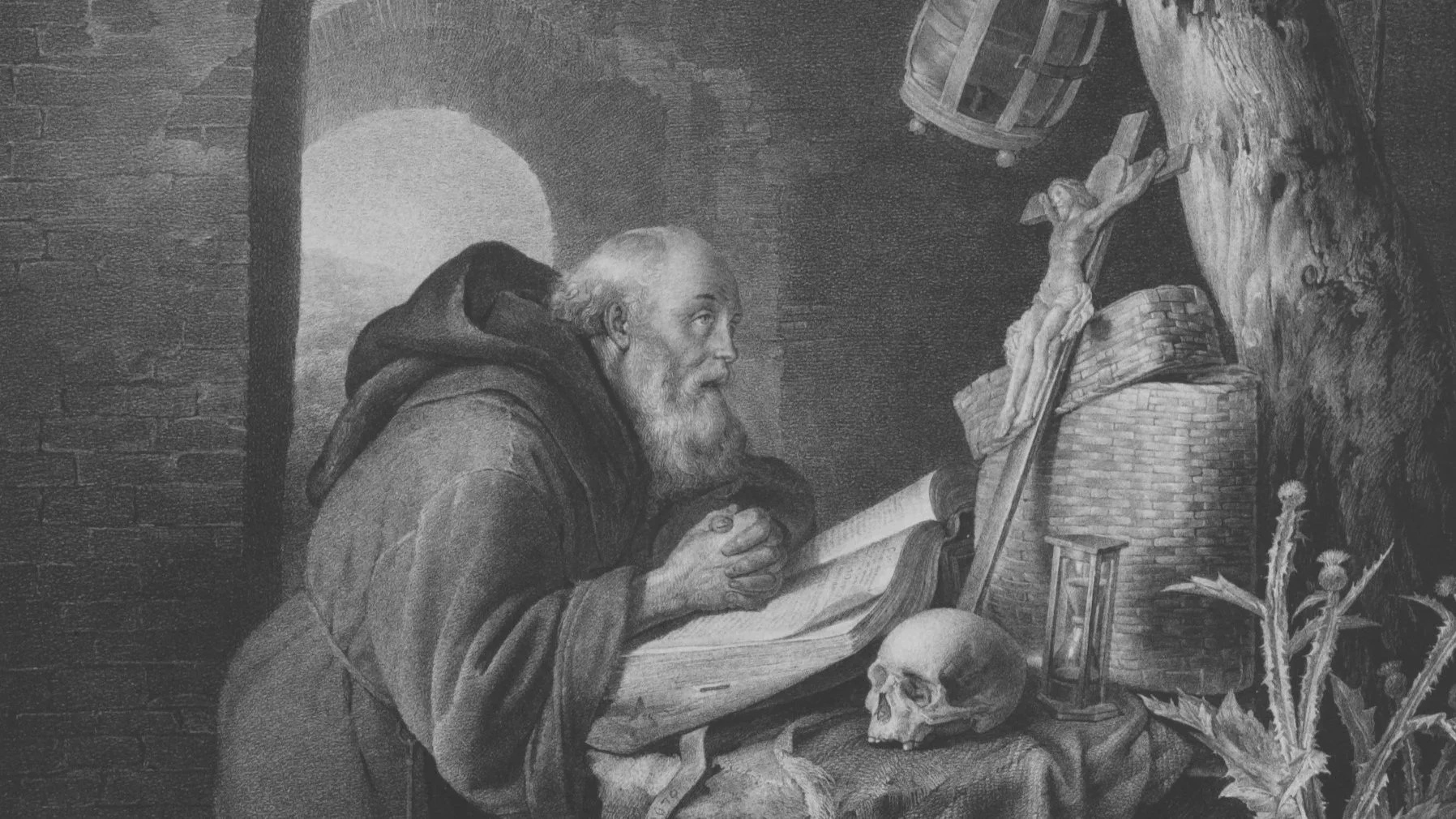
Jerome’s Paul is not an inspiring figure by accident. He’s a cautionary tale with hagiographic gift wrapping. Paul was sixteen when his parents died, leaving him a substantial inheritance. His sister’s husband, wanting the estate, threatened to expose him to the persecutors. Paul — faced with the choice between potential martyrdom and self-preservation — fled to the desert. Jerome is careful to note that Paul came from a time when ‘Christians would often pray that they might be smitten with the sword.’ Paul did not pray this prayer. He ran.
What did he find? A cave near an ancient palm tree. And nearby, a secret mint from the time of Antony and Cleopatra. Paul spent the rest of his life in prayer and solitude — in a cash-stocked desert oasis. Jerome’s deadpan is exquisite. He’s not calling Paul a fraud. He’s asking you to think carefully before putting hermits on pedestals.
The theological stakes Jerome is flagging are real. The hermit tradition emerged at a moment of massive social change — from Diocletianic persecution to Constantinian endorsement. Martyrdom had been the church’s most compelling witness; the martyrs had deprived death of its sting by running toward the very tortures intended to break them. When persecution ended, the church needed a new form of witness. Asceticism volunteered.
But there’s a difference between running to faith and running from death. Jerome saw it. His skepticism about hermit hagiography is not anti-monasticism — he’s one of the architects of the tradition. It’s a warning about the stories we tell when we make heroes of people whose primary achievement was getting away from things.

Pachomius, who never managed to complete his military conscription before he was released, would have understood this instinctively. The witness that changed his life wasn’t a hermit alone in a desert. It was ordinary believers bringing food to prisoners. Community. Presence. Showing up.