GruntGod 2.8.2: The Prophet in the Wilderness
How to Criticize City Folk (Biblically)
This is drawn from the revision of the Pachomius chapter in the second edition of God Is a Grunt.
Asceticism has always been a form of social criticism. It’s easy to miss that because we’ve domesticated it — made it about personal discipline, productivity, intermittent fasting, silent retreats. But the biblical ascetics weren’t optimizing their morning routines. They were making an argument.
Elijah the Tishbite showed up during the reign of the corrupt King Ahab: ‘a hairy man, with a leather belt around his waist’ (2 Kings 1:8). The hair and the leather belt weren’t fashion choices. They were a rebuke. As Jesus would later say about John the Baptist — who dressed in the same costume — ‘those who wear soft robes are in royal palaces’ (Matthew 11:8). The prophet’s roughness was a critique of the king’s softness. The wilderness was not an escape from politics; it was the most political place to stand.
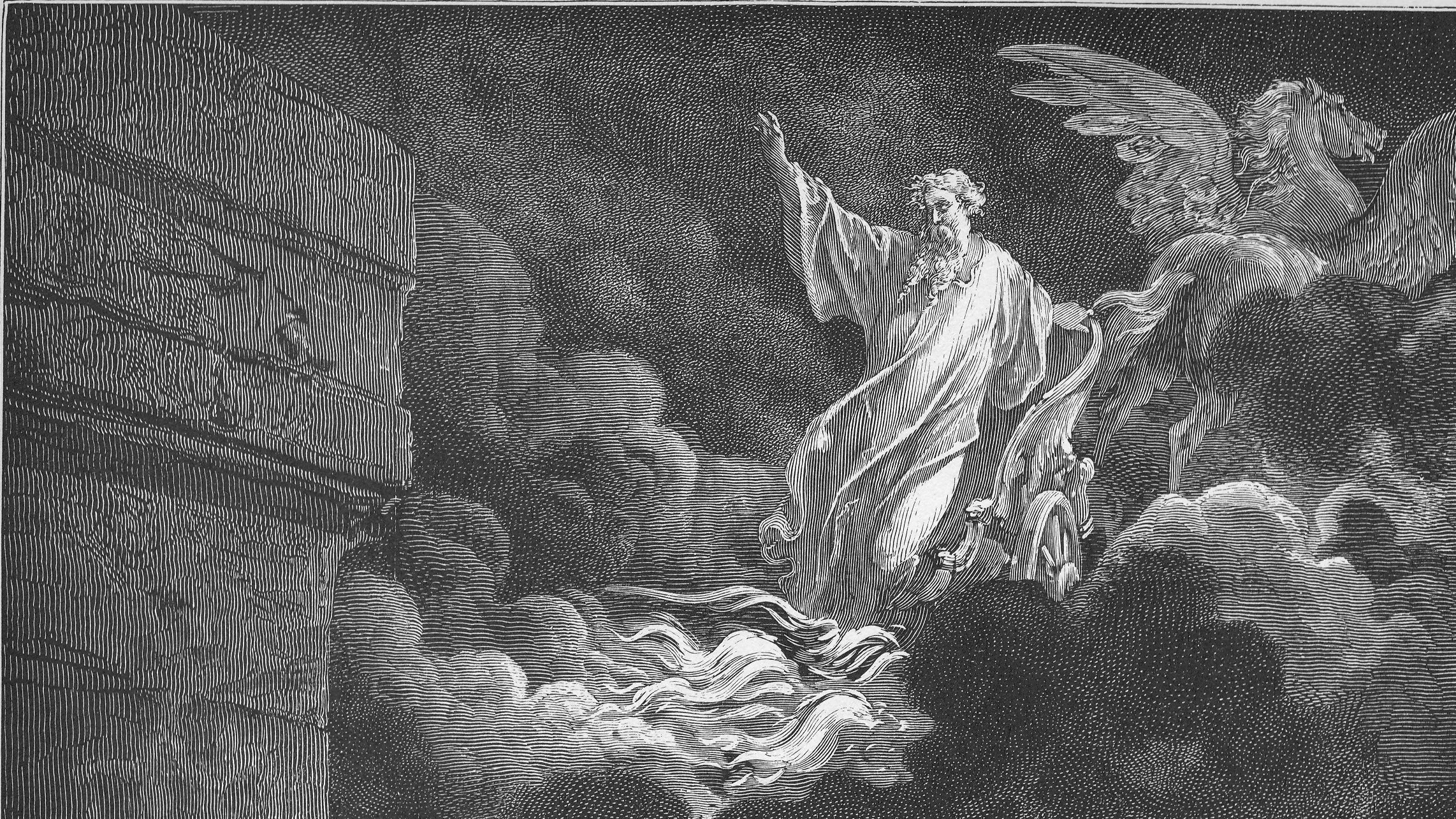
Detail from Elijah Ascends to Heaven by Gustave Dore
Elijah became so prominent in the biblical imagination that later generations assumed he’d come back. When Jesus asks his disciples who people think he is, the options include Elijah (Matthew 16:14; Mark 8:28). Jesus is clear he’s not Elijah — but he identifies John as ‘the Elijah who is to come’ (Matthew 11:14; 17:11–13). This was foreshadowed in the annunciation: the angel tells Zechariah that John will come ‘in the spirit and power of Elijah’ (Luke 1:17). Elijah, the hairy ascetic critic of royal corruption, becomes the template for the forerunner of Christ.
The Essenes were another ascetic movement active during Jesus’ time. A Jewish doomsday sect who withdrew from cities to live in anticipation of the end, they called themselves osey haTorah — doers or makers of Torah. As in: everyone else fails to do Torah, but not us. It’s like saying ‘the real America’ as though the coasts don’t count. Asceticism goes hand in hand with self-righteousness when the object of your attention shifts from God to the people you’ve left behind.
Paul sees this clearly. In Acts 24, defending himself before Felix, he uses the word askesis in its oldest sense — not self-denial for the sake of superiority, but training: ‘I do my best always to have a clear conscience toward God and all people.’ The practice is disciplinary, not comparative. You’re not becoming holy by making other people look unholy next to you.
The most interesting ascetics in the early church were the Syrian Christians, and they’ve been underappreciated ever since. Unlike the Egyptian hermits who fled to the desert, Syrian ascetics built shanties attached to city walls. They wandered within city limits as itinerant vagrants. Theodoret of Cyrrhus noted that for these Christians, following Christ meant ‘active engagement, as Christ’s representatives, with the world they had renounced, rather than permanent social withdrawal.’

They knew something the hermits missed: when your piety is inspired by frustration with the world, God is not the object of your attention — the world is. Standing apart is self-righteousness. Standing out is witness.
Pachomius, the soldier-turned-monk who is the subject of Chapter 2.8, inherited both traditions — the prophetic wilderness critique and the communal witness impulse — and built something truer to both than either had managed alone. This post is the exegetical backstory that didn’t make the chapter cut.