GruntGod 2.4.3: Messianic Pretenders
First-Century Military Coups and the God Who Refused to Lead One
From the revision of God Is a Grunt, Chapter 4: Christ as Divine Warrior
"Jesus" was not the only first-century Jew who claimed — or was claimed — to be the promised deliverer. He wasn't even close to the first. And understanding his competitors is essential to understanding what made him different.
The appeal of a Divine Warrior coming to liberate the Jews from Roman control was explosive by His time. The Maccabean revolt a century and a half earlier had briefly achieved independence, proving it could be done. That memory lingered like the taste of freedom always does.
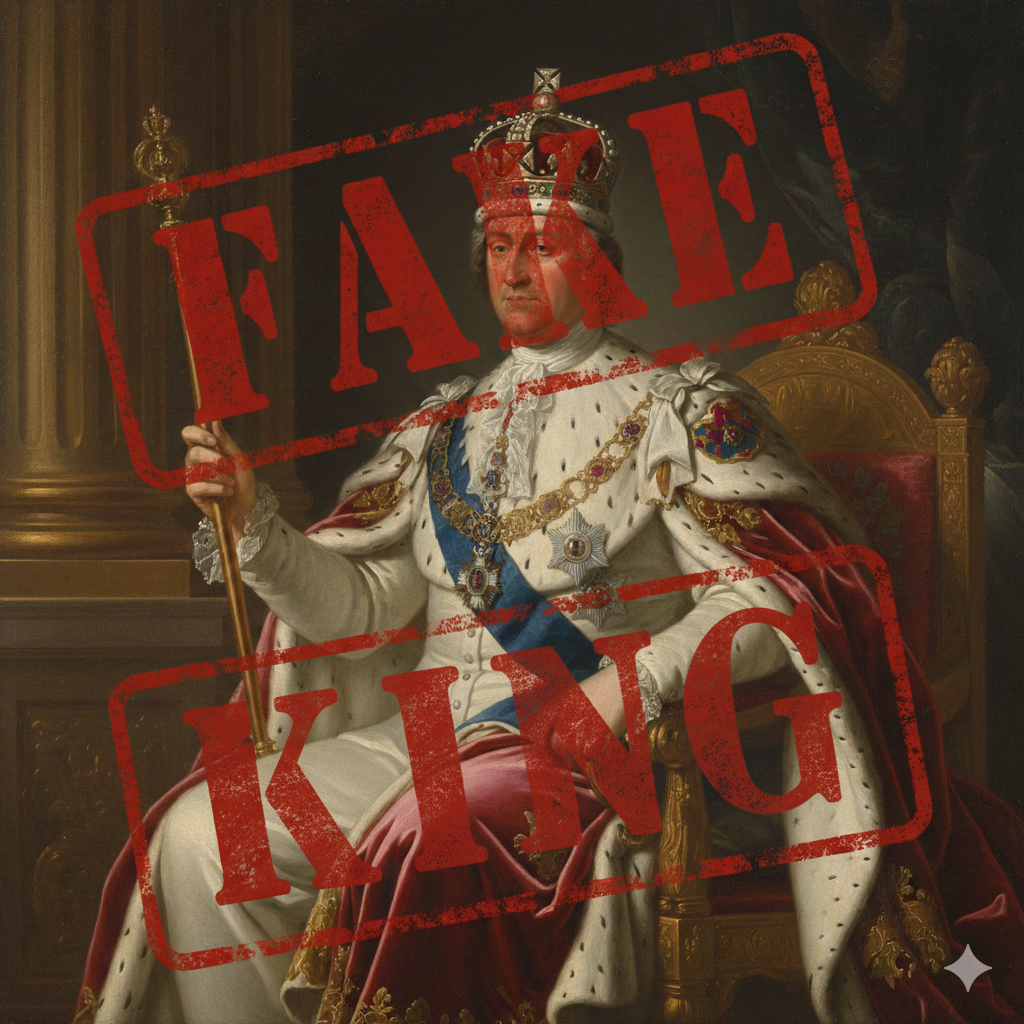
If Christ is our "king," then the rest are all faking.
The list of messianic pretenders is long. Simon of Perea, a former slave of Herod the Great, led a rebellion and was declared king by his followers before being killed by Roman forces. Athronges, a shepherd, did the same. Judas of Galilee founded the Zealot movement, which Josephus describes as having "an inviolable attachment to liberty." Judas opposed the very census of Quirinius that forced the Holy Family to Bethlehem, a collision of messianic expectation and bureaucratic compliance that shapes the Christmas story more than most nativity sets suggest.
Later came Theudas, who promised to part the Jordan River in a repeat of Joshua's miracle — and was beheaded for his trouble. Simon Bar Kokhba led the most devastating revolt of all in 132 CE, was proclaimed Messiah by Rabbi Akiva himself, and held Jerusalem for three years before Rome crushed him and banned Jews from the city entirely.
Every one of these men leaned into the violent imagery of prophetic literature. They preferred Isaiah's fury and Zechariah's apocalyptic fire over the suffering servant passages. They wanted a God of war, and they wanted to be his instrument.
Mary's kid had every qualification they lacked. The evangelists claimed his adopted father was from the line of David, he born in David's town, raised in the land of Israel's warrior tribes, bearing the name of Israel's greatest military commander. If anyone had the résumé to lead an armed rebellion, it was him.
He refused (kind of...).
The Longman and Reid framework for the Divine Warrior motif identifies five stages:
God fights for Israel,
God fights against Israel,
the prophets promise God will fight with Israel,
God enters the fight in person through Christ, and
God wins the final battle in Revelation.
What's remarkable about stage four — the Christ stage — is the radical redefinition of what "fighting" means. This warrior doesn't pick up a sword (that comes from his mouth). He picks up a cross.
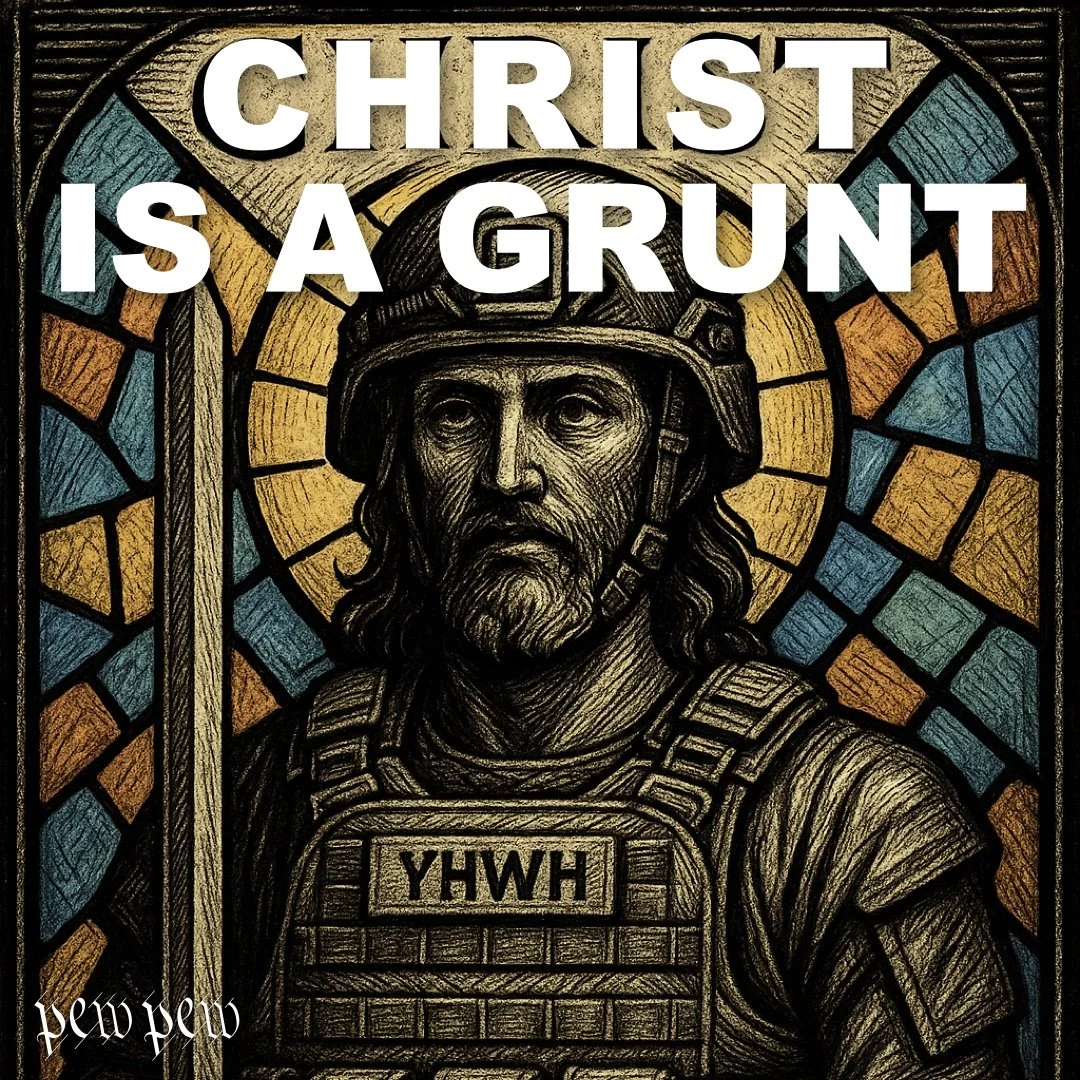
All Hail the grunt-king, our suffering-servant.
When arrested in Gethsemane, Christ makes clear that divine forces are at his disposal. He could have had his military coup. Instead, he tells Peter to put away his sword. The messianic pretenders all grasped at military power and lost. Joshua+ emptied himself of it and was exalted.
This isn't pacifism in the modern political sense. It's a theological claim about who gets to use violence: God alone. The messianic pretenders confused their cause with God's prerogative. God's True Messiah maintained the distinction. That's not weakness. That's the discipline every soldier is supposed to learn — that the authority to use force comes from above, not from within.
Drawn from material in the second edition of God Is a Grunt. The published chapter focuses on what this means for military families today; the historical context lives here.