What is The Fightin’ Word?
The Bible has a problem. Not a God problem or a truth problem—a translation problem.
Most English Bibles are translated by committees trying to satisfy everyone from fundamentalists to progressive mainliners. The result is language that's technically accurate but spiritually neutered. The edges get filed down. The military imagery gets softened. The violence gets explained away. You end up with a text that won't offend anyone's grandmother but also won't shake anyone awake.
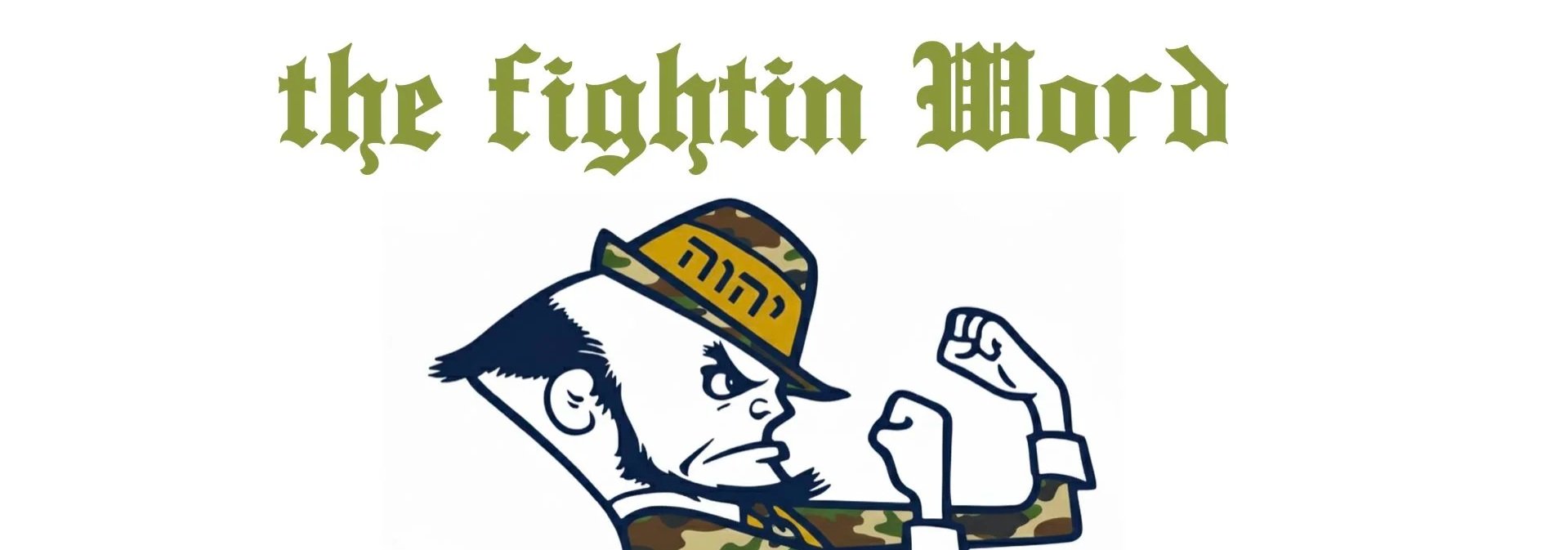
The Fightin Word is a different approach. It's a paraphrase project designed for people who want Scripture in the language they actually use—including the parts of Scripture that are uncomfortable, militant, or politically inconvenient. This isn't irreverent translation; it's contextual translation. The Bible was written by and for people who understood violence, empire, and occupation… and what it costs to resist. We should translate it like we know that.
Three Main Components
The project has three distinct but interconnected threads:
1. 🔥 Lit(urgical) Sundays
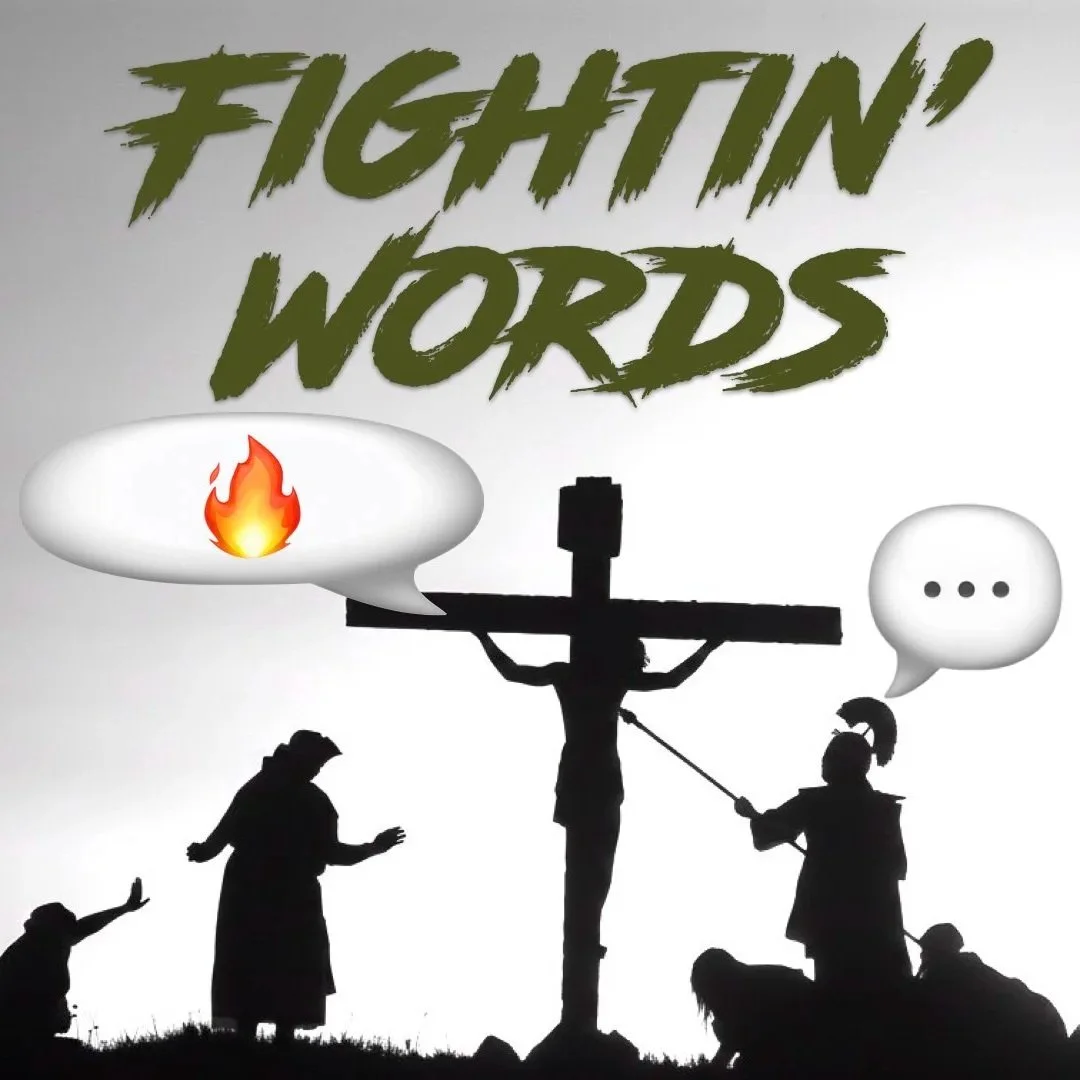
Every week, I release an audio episode working through the Revised Common Lectionary readings. These aren't sermons. They're not devotionals. They're 🔥 Liturgical readings of the assigned texts, wrestling with what they actually say rather than what we've been told they say.
The RCL is a three-year cycle (Year A is 😇 Matthew, Year B is 🦁 Mark, and Year C is 🐮 Luke) that takes you through most of the Bible in a structured way. Churches have been using it for decades, which means this project isn't inventing a new reading plan—it's working with the grain of how Christians have been reading Scripture together for generations.
Each episode is organized by liturgical season: 🌊 Advent, ☃️ Xmas, 🪖 Epiphany, ☔️ Lent, Easter (a 🕯️ Holy-ish season), and the long season after 🪖 Pentecost. You can jump in anywhere, but if you follow the church calendar, you'll move through the whole story in order. Episodes go live on Spotify and YouTube every Sunday.
2. 💬 Word Studies
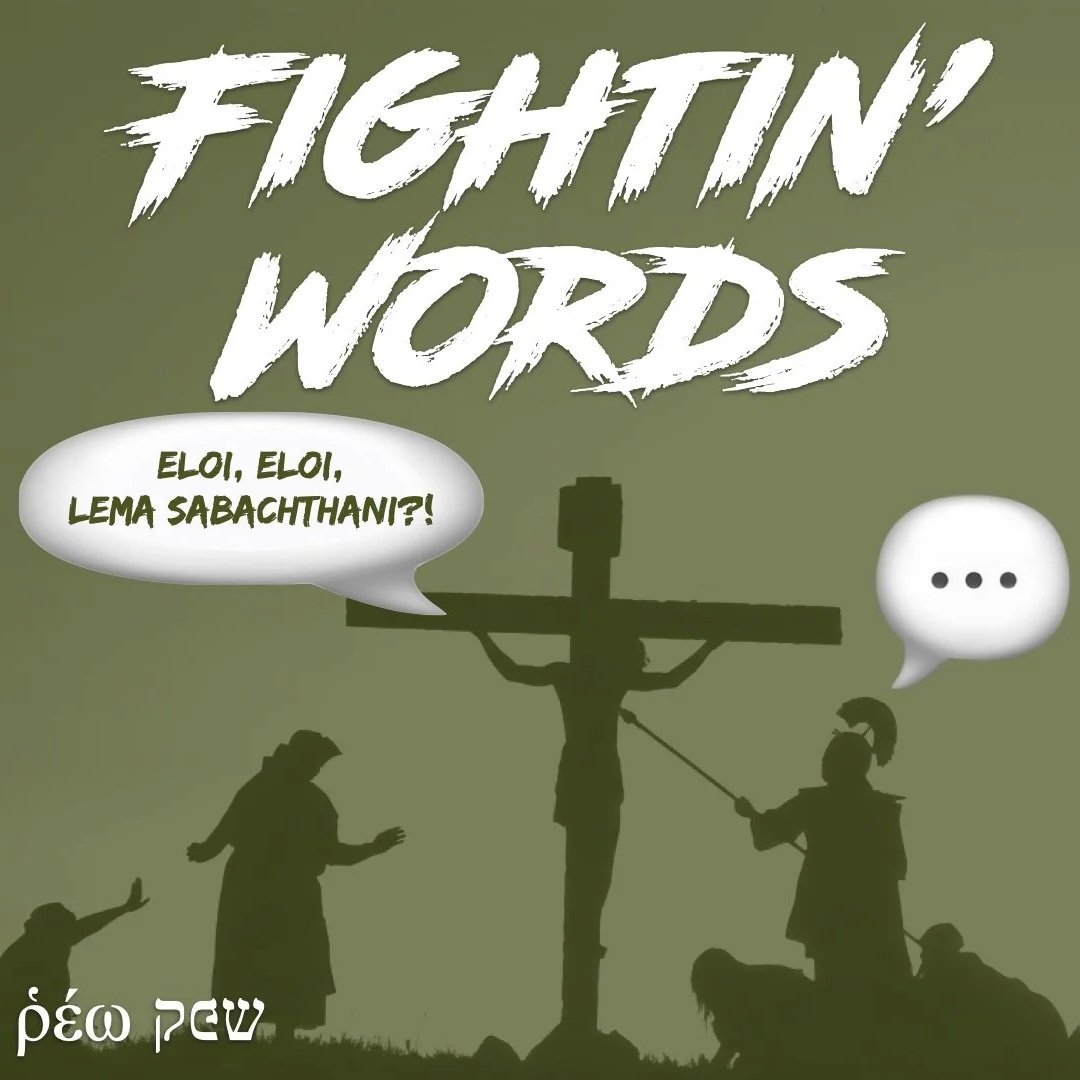
Sometimes a single 🇬🇷 Greek or 🇮🇱 Hebrew word carries more weight than any English translation can capture. The word studies dig into specific terms that matter—military language, power dynamics, resistance vocabulary, the kind of words that get smoothed over because they make us uncomfortable.
These are text-based resources, not audio. They're reference material you can come back to when you're reading Scripture and want to know what's actually happening underneath the English. Each study includes the original language term, its range of meanings, where it shows up in the biblical text, and why it matters for how we read the story.
3. 🎙️ Conversations
This is the interview thread, episodic 💬 Conversations with people who have something substantive to say about Scripture, theology, violence, suffering, or what faithful resistance looks like in the real world. Some guests are academics. Some are veterans. Some are activists or artists. The common thread is that they've thought seriously about what it means to follow Christ when the cheap answers don't work.
I may also use this space for debates down the line—challenging people I disagree with to actually defend their readings rather than just publishing their position pieces. We'll see.
A Grunt-ish 📖 Paraphrase
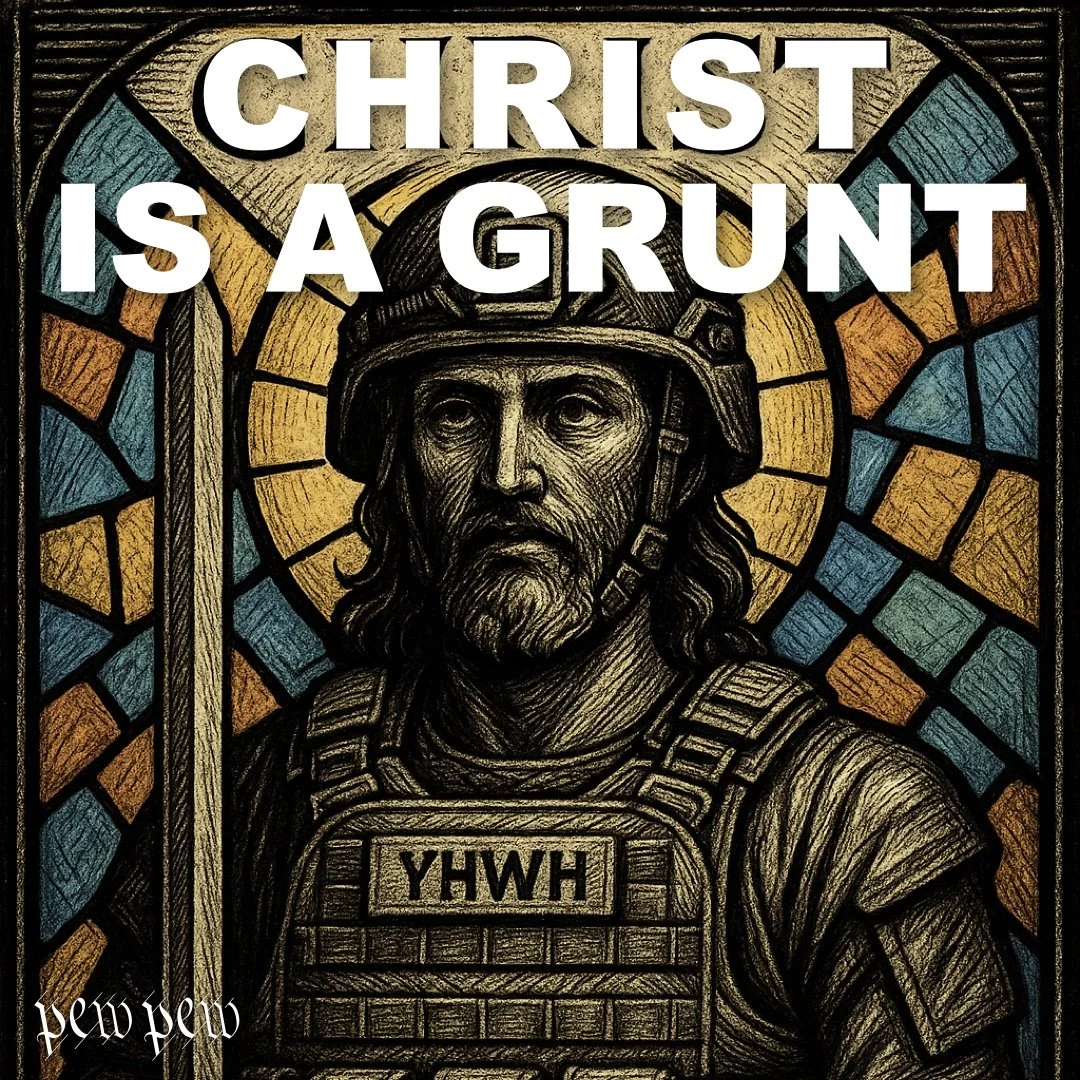
The long-term goal is a complete paraphrase of the Bible, built chapter by chapter as I work through the RCL readings. This isn't Eugene Peterson's The Message. It's sharper, less polite, and less interested in making Scripture safe for soccer moms and televangelists.
I'm using the LXX2012 as the OT base and the World English Bible as the NT base text because they’re both public domain, which means I can post online without copyright issues. As I paraphrase each week's readings, I'll add those texts to The Fightin’ Word feed. Over a complete lectionary cycle, three years, that builds a hyperlinked, cross-referenced library organized by book and chapter.
The advantage of building it this way is that it stays manageable. I'm not trying to paraphrase Genesis in isolation; I'm paraphrasing the texts as they come up in the lectionary, which means I'm always working with passages in conversation with each other. It also means the site grows organically rather than dumping everything at once.
How to Use TFW
Start with the Liturgical Sundays if you want a guided path through Scripture. Start with the Word Studies if you’re curious about specific terms. Start with the Conversations if you want to hear how other people are wrestling with these texts.
Everything is cross-referenced and hyperlinked. When I reference a word study in a Sunday episode, it's linked. When I quote a passage, it's linked to the paraphrased text once that chapter is available. The whole project is designed to help you trace ideas through Scripture without needing a seminary degree.
This is a project built for the long haul. It's not just about going viral or building an influencer brand. It's trying to give ordinary believers the tools to read Scripture honestly, which means reading it communally with the lowliest of our community. And grunts are about as low as you can go.
If that sounds like something you need, you're in the right place.