GruntGod 2.7.3: "Antipas My Witness"
Who Is "Antipas My Witness" in Revelation 2:13?
This is drawn from the revision of the George chapter in the second edition of God Is a Grunt.
In Revelation 2:13, the risen Christ addresses the church at Pergamum with a specific commendation: "You hold fast to my name and did not deny my faith, even in the days of Antipas, my witness, my faithful one, who was killed among you, where Satan lives."
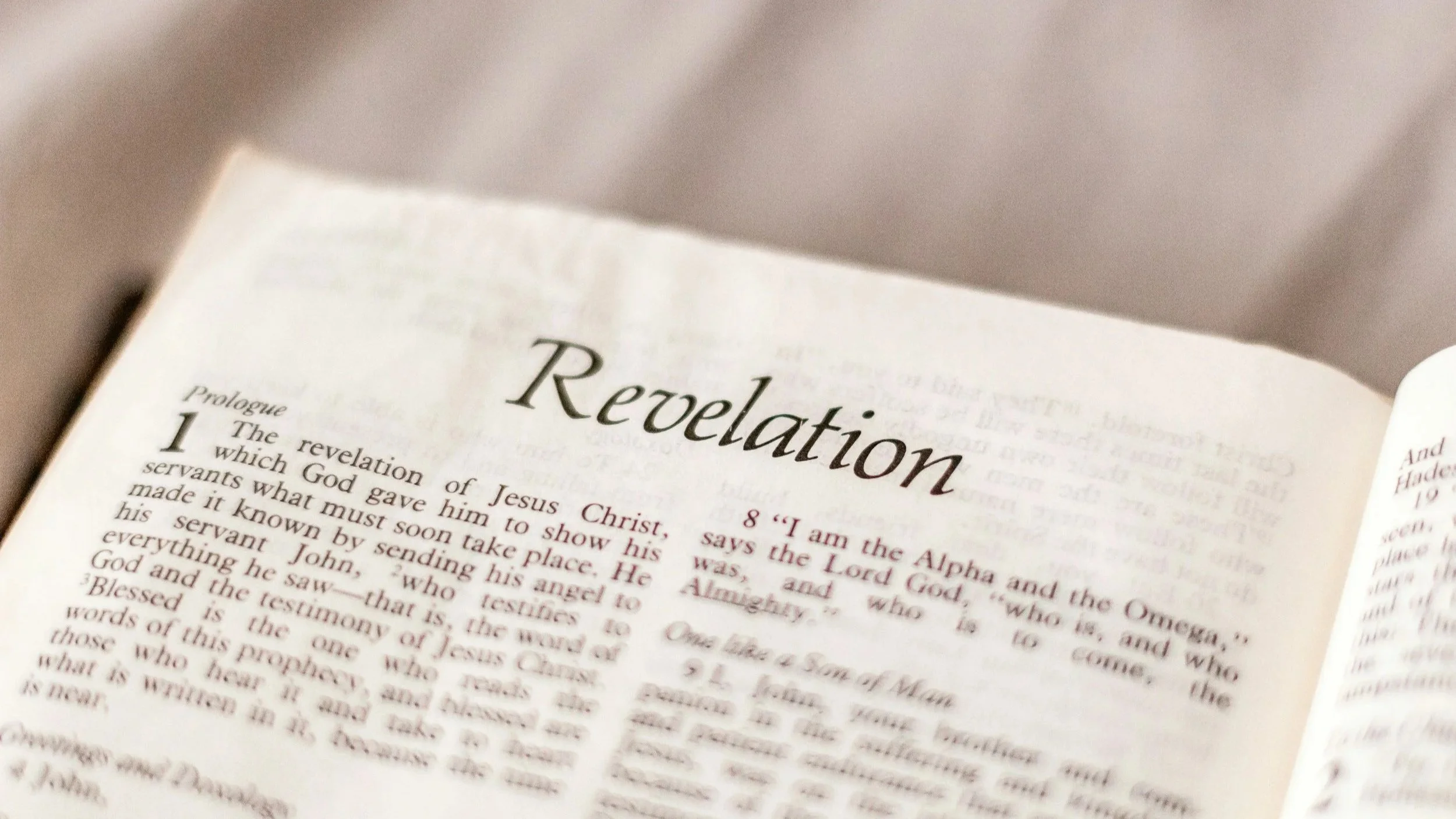
The identification of this Antipas has been a puzzle for scholars. Two main candidates exist.
The first is a historical martyr at Pergamum — an otherwise unknown Christian named Antipas who was killed during some localized persecution, possibly under Nero or Domitian. This reading requires a specific individual whom the text commemorates by name. It's the reading most commentators accept by default.
The second, held by only a small handful of scholars, is that "Antipas" here refers to Herod Antipas — the same Herod Antipas who ordered the execution of John the Baptist (Matt. 14:10; Mark 6:27; Luke 9:9). On this reading, Christ is calling Antipas "my witness" not because Antipas was a Christian martyr but because he was the one who killed the martyr — John — "the faithful one." It's a deliberately ironic naming. The man who killed my witness is named here so you know I'm paying attention to what happens in Pergamum.
The second reading has some appeal but strains the Greek. "My witness, my faithful one" naturally describes the person honored, not the person condemned. And the letter is clearly offering comfort to a persecuted community, which argues for the commemorative reading.
What's more interesting for our purposes is the broader question the text raises: what counts as witness under persecution, and who gets remembered? John's Revelation is full of martyrdom language, but scholars debate how much actual dying was happening in John's communities in the 90s CE. Domitian is often blamed for a systematic persecution, but the evidence for any official Domitianic policy against Christians is thin. Most historians now think John's communities were experiencing social hostility and local pressure, not imperial pogrom. The martyrdom imagery in Revelation may be as much prophylactic as descriptive — preparing readers for what might come rather than commemorating what already had.
George steps into that tradition. He's commemorated as a witness before the worst of it arrived. And the debate about what makes someone a martyr — as opposed to someone who just wanted to die — follows him all the way to the present.