GruntGod 2.2.2: Passover's Political Theology
What "Freedom Isn't Free" Gets Wrong
Americans love to say "freedom isn't free" while pointing to military service. The phrase shows up everywhere—bumper stickers, Memorial Day speeches. It's meant to honor those who serve, but it misreads both freedom and the price paid for it. The Exodus narrative—the original freedom-isn't-free story—tells a different tale.
I'm wrestling with this in the Moses chapter of God Is a Grunt (2nd edition). Some exegetical material got cut to keep the book accessible to military families, but the argument deserves attention: Passover isn't about heroic warriors winning freedom through combat. Passover is about exhausted survivors limping away from catastrophe.
"Let My People Go... to Sacrifice"
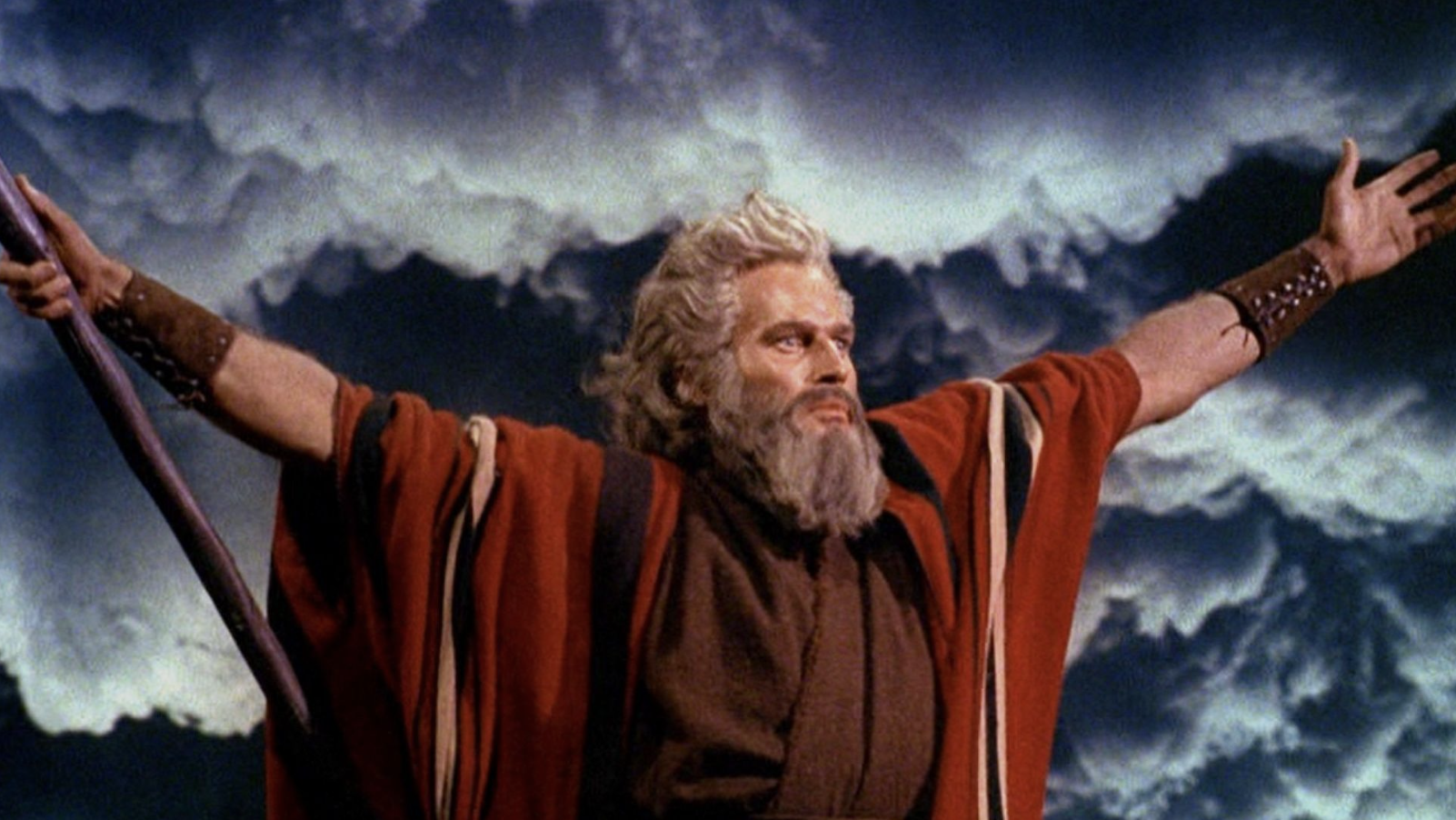
We know Charlton Heston's line: "Let my people go!" But that's only part of Moses' message. The full text: "Let my people go SO THAT we may sacrifice to the LORD our God" (Exod. 3:18; 5:3). Moses isn't demanding freedom for freedom's sake. He's demanding freedom of worship, one of FDR's four freedoms. The message Moses brings from YHWH to Pharaoh: "Party or plague; you pick."
This matters because Passover isn't primarily about escaping bondage—it's about establishing a sacrificial system. Liberation happens, but as means to an end. The end is worship, ritual, a community that knows how to mark itself as God's people through blood on doorposts.
American civil religion flips this. We treat military service as the ritual that earns freedom, as if blood sacrifice is the price paid for liberation. But Passover says liberation is the context for establishing proper sacrifice, not the product of it.
Every House a Priesthood
At the first Passover, God tells "the whole assembled congregation" (Exod. 12:6)—every family—to perform the sacrificial rites. Before Levitical priests, before the temple, every household served a priestly function. Nobody outsourced the blood work to industry professionals.
Now think about American military service: less than 1% of Americans serve. The vast majority outsource national defense to an "All Volunteer Force" drawn disproportionately from economically disadvantaged communities. We hire the poor to paint our doorposts in their own blood, then TYFYS them to death.

The first Passover didn't work that way. You couldn't pay another household to slaughter your lamb or hire a priest to paint your doorpost. If you wanted protection from the angel of death, your hands got bloody. Every household participated or every household in risked death.
The theology here cuts against everything "freedom isn't free" rhetoric implies. American civil religion suggests that because freedom costs blood, some people (soldiers) pay that cost so others (civilians) don't have to. But Passover's political theology says: if freedom requires blood, everyone's hands should be bloodied. Universal obligation, not industrialized "professional" military service, is the biblical model.
The Limping Angel
Here's the detail that wrecks the heroic narrative: the Hebrew word for "passed over" is pāsaḥ, meaning "to limp along." The angel of death doesn't march triumphantly through Egypt. She limps. Like Jacob walking away from wrestling with God. Like soldiers dragging ass home from deployment.
God doesn't send a fresh-to-the-front warrior to execute judgment. God sends someone who's already been through it, someone battle-weary and broken. The angel of death is a combat veteran, sent back to 'spare' the FNGs.
This undermines "freedom isn't free" triumphalism. Yes, the Israelites are liberated. Yes, Egypt is defeated. But the agent of liberation isn't a glorious warrior—it's a figure marked by trauma, moving slowly through the night. Not stealthily, but exhaustedly.
Military families know this reality. Liberation doesn't come through heroic victory parades. It comes through exhausted survivors who limp home carrying what they've seen and done. The angel doesn't celebrate conquest; she grimly completes her mournful mission.
Blood Marks Protection, Not Honor
The blood on Israelite doorposts doesn't honor their courage or celebrate their sacrifice. It marks them as protected, as belonging to God, as exempt from the violence coming for Egypt. This isn't about glory—it's about survival.
American Memorial Day rituals treat military death as honorable sacrifice deserving glory. But Passover treats blood as protective marking, a sign that says "death has already happened here; move along." The Israelites don't honor the slaughtered lambs with parades. They eat them, remember the night death limped through Egypt, and tell their children: this is what it cost to escape bondage.
The political theology is stark: freedom from oppression requires blood, but not heroic sacrifice—just blood. Ritual blood. Animal blood. Blood that marks you as God's people so the angel of death passes you by.
When Americans say "freedom isn't free," they mean soldiers pay the price for me; substitutionary atonement for my shortcomings. When Passover says freedom costs blood, it means everyone paints their doorposts or everyone risks death. The difference matters.
This post draws from material cut during revision of "God Is a Grunt" (2nd edition). The Moses chapter explores how Passover and Yom Kippur get confused in Christian theology—producing the "lamb of God" when the Bible gives us the "goat of God." That's next.