GruntGod 2.9.3: The Saint Factory
How Hagiography Went from Grassroots to Genre
This is drawn from the revision of the Martin chapter in the second edition of God Is a Grunt.
Hagiography — the writing of saints' lives — did not begin as a literary genre. It began as people gathering around graves.
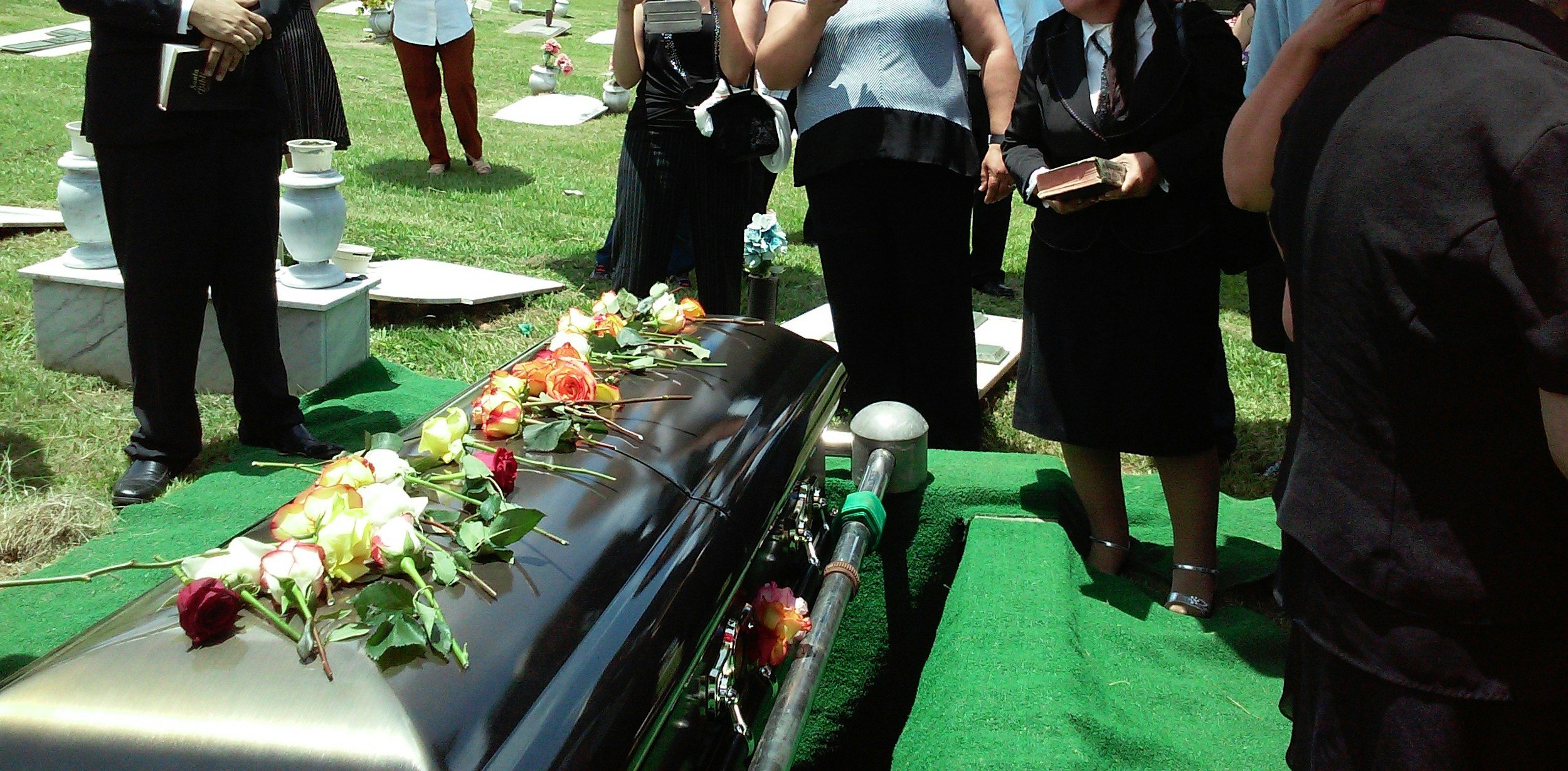
When an early Christian martyr died, the community remembered the anniversary of their death. Not their birthday — their death day, what the tradition called their dies natalis, their "birthday into eternity." The community would gather at the grave, eat a meal, share communion, pour wine for the dead, and tell stories. These gatherings were not primarily commemorative. They were formative. The stories weren't told to preserve historical facts; they were told so the living would be reminded how to live.
The oldest of these stories were called passiones — "passions," after Christ's own suffering. They were passed by word of mouth under conditions of active persecution. Each community had its own local martyrs, and the stories were loose composites of multiple figures whose historical particulars had been lost or merged. Precision wasn't the point. The point was: this person faced what you are facing, and they didn't break. You won’t either, if you let them shape your own self-understanding.
As persecutions slowed under Constantine, saints who survived persecutions were called "confessors" — those who had confessed the faith under pressure and lived. Their stories, called vitae, could be transmitted more quickly and with more accuracy because there was less need for secrecy. The first major vita was Athanasius's Vita Antonii (the “Life of Antony,” the Egyptian desert hermit) dated to around 356. It exploded in popularity. Jerome, smelling an opportunity, wrote his own hagiography in response (Vita Pauli) and then several more, along with a collection he titled De viris illustribus ("Of Illustrious Men"). The publication of these texts triggered something like a late-antique publishing industry.
The Bollandists, a Jesuit community in Belgium, have spent centuries compiling, verifying, and publishing hagiographic material. Their Acta Sanctorum is a multivolume encyclopedia arranged like a martyrology, covering saints feast day by feast day. Their Bibliotheca Hagiographica covers Latin, Greek, and Eastern sources separately. For many entries, only fragments survive. The vitae of Antony, Paul, and Martin are exceptional for having survived intact.

The fragmentary nature of early hagiography has led scholars to dismiss the genre as, in Hippolyte Delehaye's famous phrase, "the artless nature of popular genius." That's a polite way of saying: these are folk stories for uneducated people, not serious historical sources.
Delehaye is not entirely wrong, but he's condescending in a way that misses the point. Hagiography circulated among the middle and lower classes because those were the people who needed it. Educated elites had access to classical literature. Ordinary Christians (who inherited most of their faith not from theological treatises but from stories passed person to person) needed narratives they could carry in their heads. The Gospels survived the same way, in hushed tones under threat of exposure, before the gospel writers committed them to writing. To look down on hagiography as a low literary form is to look down on the same transmission process that gave us the New Testament.
The Vita Sancti Martini broke the mold in one critical way: Sulpicius Severus wrote it while Martin was still alive. This had never been done. Every previous hagiography had the convenience of a dead subject who could not correct the record. Sulpicius was accountable to history and to his subject simultaneously. That accountability may be part of why the text has held up — and why it launched the cult of the saints from local practice to global phenomenon.