GruntGod 2.13.3: Butler's Oath (or, Not Forgetting the Dead)
“Let My Right Hand Forget Its Cunning”
This is drawn from the revision of the Ralph chapter in the second edition of God Is a Grunt.
On January 7, 1874, Massachusetts congressman Benjamin Butler stood on the floor of the House arguing for what would become the Civil Rights Act of 1875. Butler had commanded Black soldiers during the Civil War, and he told his colleagues about the moment he swore an oath over their bodies. Five hundred and thirty-four of them, killed defending a country that, in his words, had given them "a flag of stripes on which no star of glory had ever shone for them." Standing over his dead — his soldiers — Butler swore: "May my right hand forget its cunning and my tongue cleave to the roof of my mouth if I ever fail to defend the rights of these men who have given their blood for me and my country this day and for their race forever."
If that language sounds liturgical, it's because it is. Butler was quoting Psalm 137, whether he named it or not, and probably every Bible-literate person in that chamber caught the reference even if we've mostly lost it. The psalm is a lament of Israelites in exile, mourning a Jerusalem they can't get back to: "By the rivers of Babylon—there we sat down and there we wept when we remembered Zion" (v. 1). Then the vow: "If I forget you, O Jerusalem, let my right hand wither! Let my tongue cling to the roof of my mouth, if I do not remember you" (vv. 5–6).
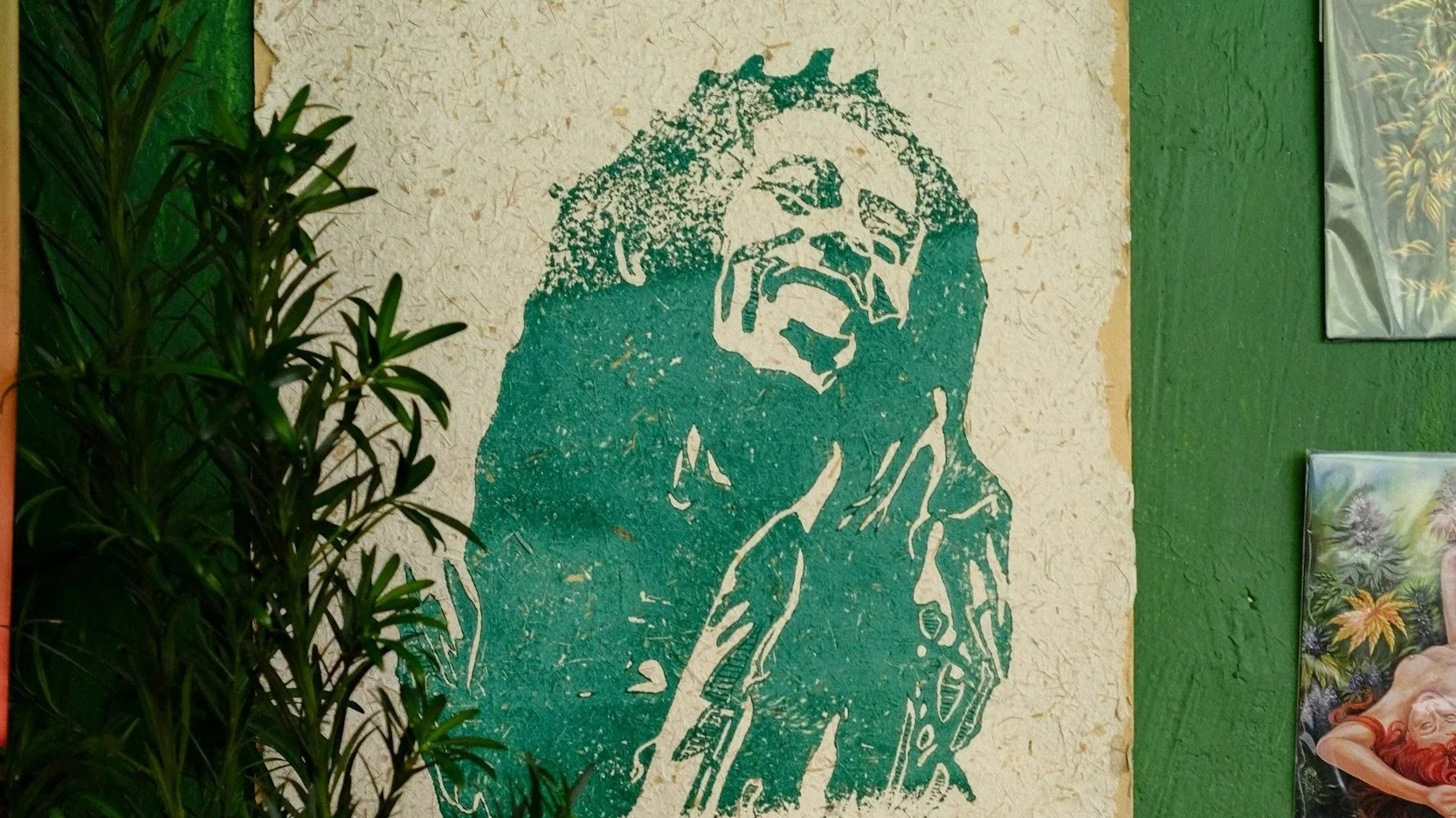
Psalm 137 was adapted by renowned hynmwriter Bob Marley of Jamaica.
Butler took an ancient exile's vow never to forget a lost homeland and repurposed it as a promise never to forget the dead he'd failed to bring home. That repurposing is worth sitting with theologically, because it tells you something about what remembrance is actually for, in scripture and in military ethics. The psalmist isn't promising to feel sad about Jerusalem. He's promising an active, embodied fidelity; hand and tongue, the instruments of work and speech, made unusable if the promise is broken. Memory, in this frame, isn't a feeling you have. It's a commitment you keep with your body, enacted every time you use your hands or your voice for anything else.
Every officer I've ever talked to about it says the same thing: their greatest responsibility is bringing their people home. Butler, a retired Union general by the time he gave that speech, was a man who had failed at that job, publicly, in front of Congress, over five hundred times. His oath wasn't rhetorical flourish. It was a general converting a psalm of exile into a promise that the men he'd lost would not also be lost to memory — that if Jim Crow denied them citizenship in life, at least one man in power would refuse to let the nation forget what they'd purchased with their blood.
I think about this every time I hear someone talk about "moral injury" as a private, individual, psychological event; something located entirely inside a single soldier's head. Butler's oath suggests something else: that the wound of war includes the wound of being forgotten, and that healing it, to whatever extent healing is possible, is partly a corporate, liturgical act. It's not enough for the guy who survived to process his own grief. Someone with power has to swear, publicly, not to let the dead disappear into anonymity. That's not therapy. That's liturgy. It's the same instinct behind Arlington, behind Memorial Day, behind every congregation that reads the names of its own dead once a year instead of just once.
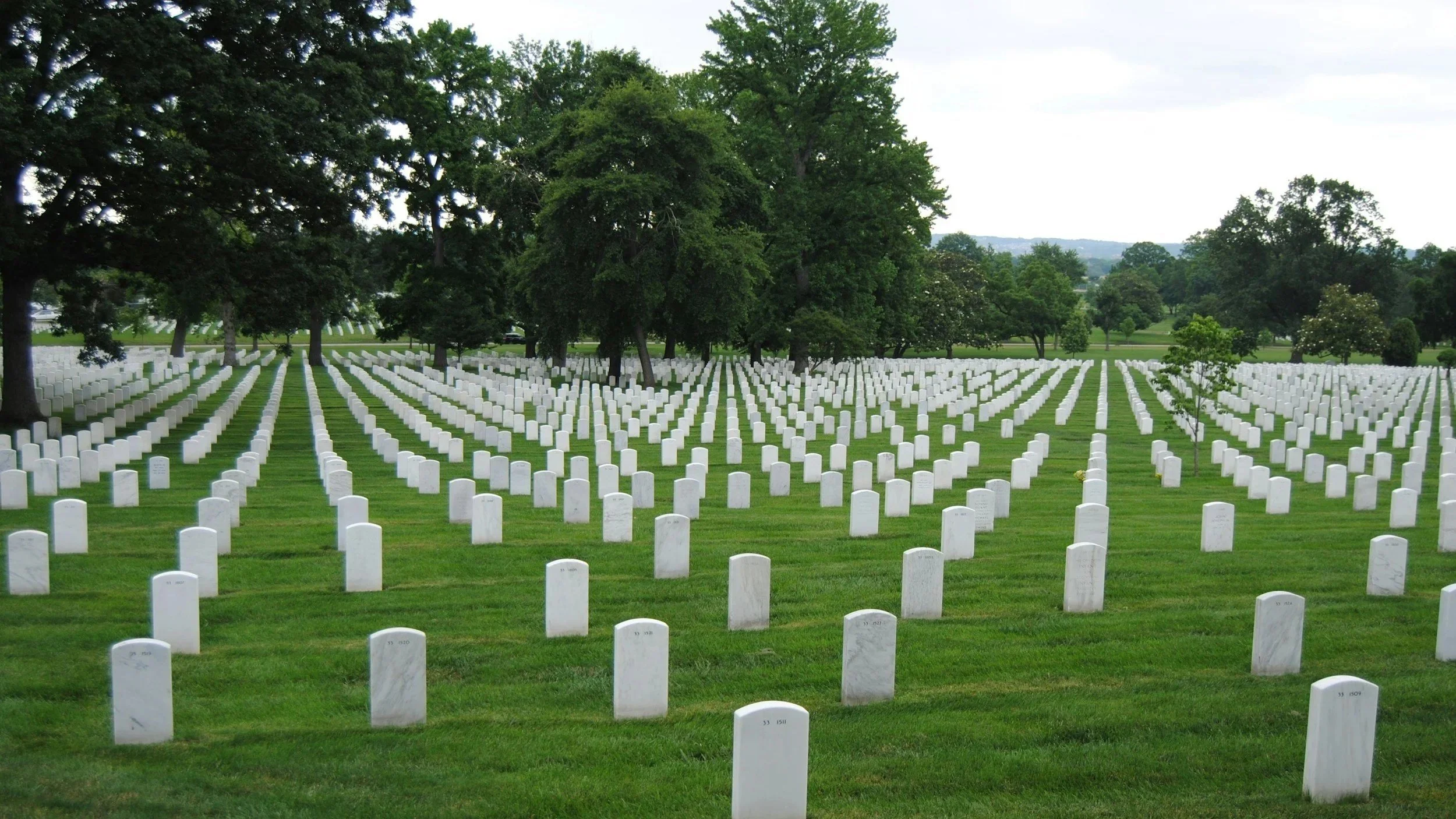
Butler kept enough of his oath that his speech survives, on the record, still readable a century and a half later. Whether the country he made that promise to kept its half is a different question — one the rest of this chapter, and honestly the rest of the book, is trying to answer.