GruntGod 2.10.5: Calling Francis 'Broken' Is Lazy Scholarship
This is drawn from the revision of the Francis chapter in the second edition of God Is a Grunt.
This one isn't cut research so much as a cut argument — a thread from the "Destined Nation" section of the Francis chapter that I trimmed for space but that deserves the full airing my primary readers won't have patience for mid-chapter.
Augustine Thompson's 2012 academic biography, Francis of Assisi: A New Biography, is a genuinely serious and well-researched book. It's also a book that can't discuss Francis's pre-conversion military ambitions (his repeated attempts to join crusading armies, his year as a prisoner of war, his failed enlistments) without reaching for a specific vocabulary: "broken." "Erratic." "Troubled." These words show up not as one-off editorial color but as recurring framing across multiple pages, doing quiet interpretive work every time they appear.
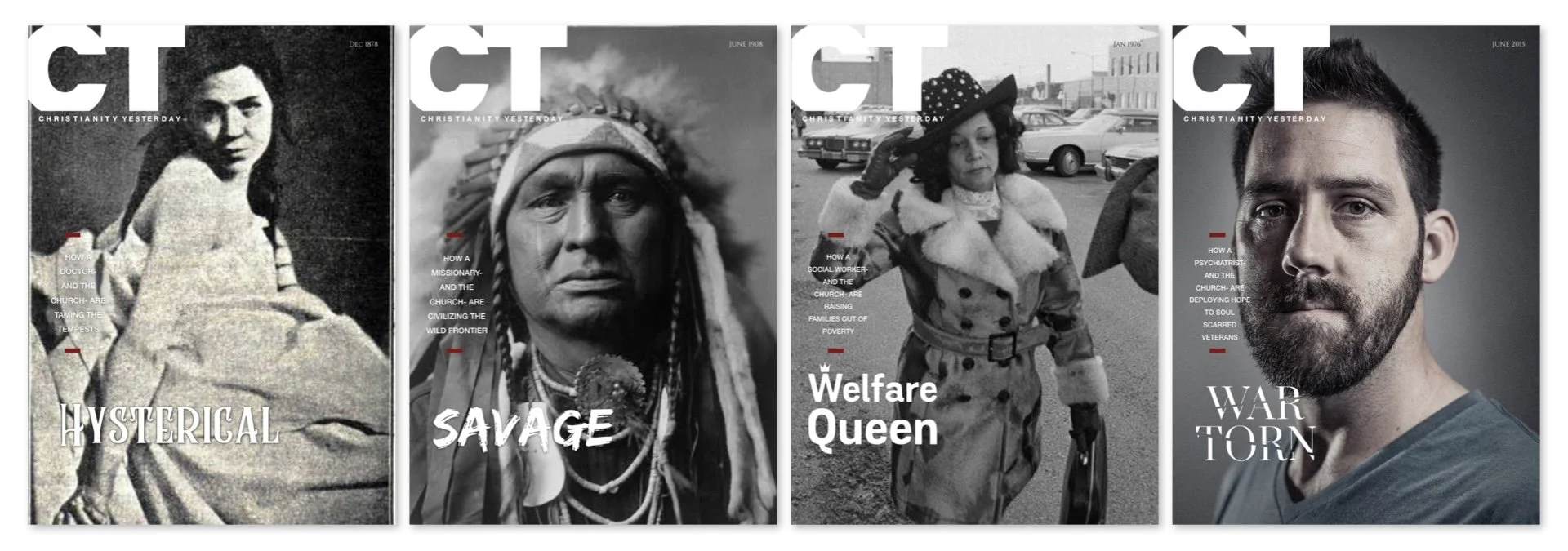
Christians should know better than conversion via pathology. Which ones do you think are “real”?
Here's my problem with that vocabulary, trained as I was in virtue ethics under Stanley Hauerwas: it smuggles in a diagnosis the sources don't actually support, and it does so specifically at the point in Francis's biography where his combat exposure is closest to the surface. Compare how the same scholarship tends to describe Francis's later, post-conversion instability; his health crises, his conflicts within his own order, his documented struggles with depression and doubt near the end of his life. Those get treated as the interior cost of sainthood, spiritually legible, even ennobling. But the earlier material (the POW year, the failed enlistments, the shipwreck, the raw hunger for crusade glory) gets pathologized instead. "Broken" is a clinical word wearing a biographer's clothes. It diagnoses. It doesn't just describe.
This is where hagiography as a method earns its keep, and it's the argument underneath my whole book, not just this chapter. Classical Christian hagiography never denied that its subjects were shaped by violence, suffering, or moral failure; Augustine's Confessions doesn't hide his youth, Perpetua's martyrdom account doesn't sanitize her fear. What hagiography refuses to do is let the damage become the whole interpretive frame. The genre insists that a life organized around virtue can absorb trauma without being reducible to it. Modern academic biography, working from different disciplinary instincts, often does the opposite: it treats trauma as the master key that unlocks everything else about the person, including their subsequent choices, including their theology.
Applied to a combat veteran turned saint, that instinct is more than an academic quirk. It's the same civilian bias that shows up in a church potluck when someone hears "Iraq" or "Afghanistan" and immediately recalibrates how fragile they think the person standing in front of them is. Thompson's vocabulary and your neighbor's flinch come from the same place: an assumption that exposure to combat is primarily a diagnosis rather than an experience a person might have metabolized into something else entirely. In Francis's case, he transformed his experiences into an order that reshaped Western Christian practice for eight centuries.
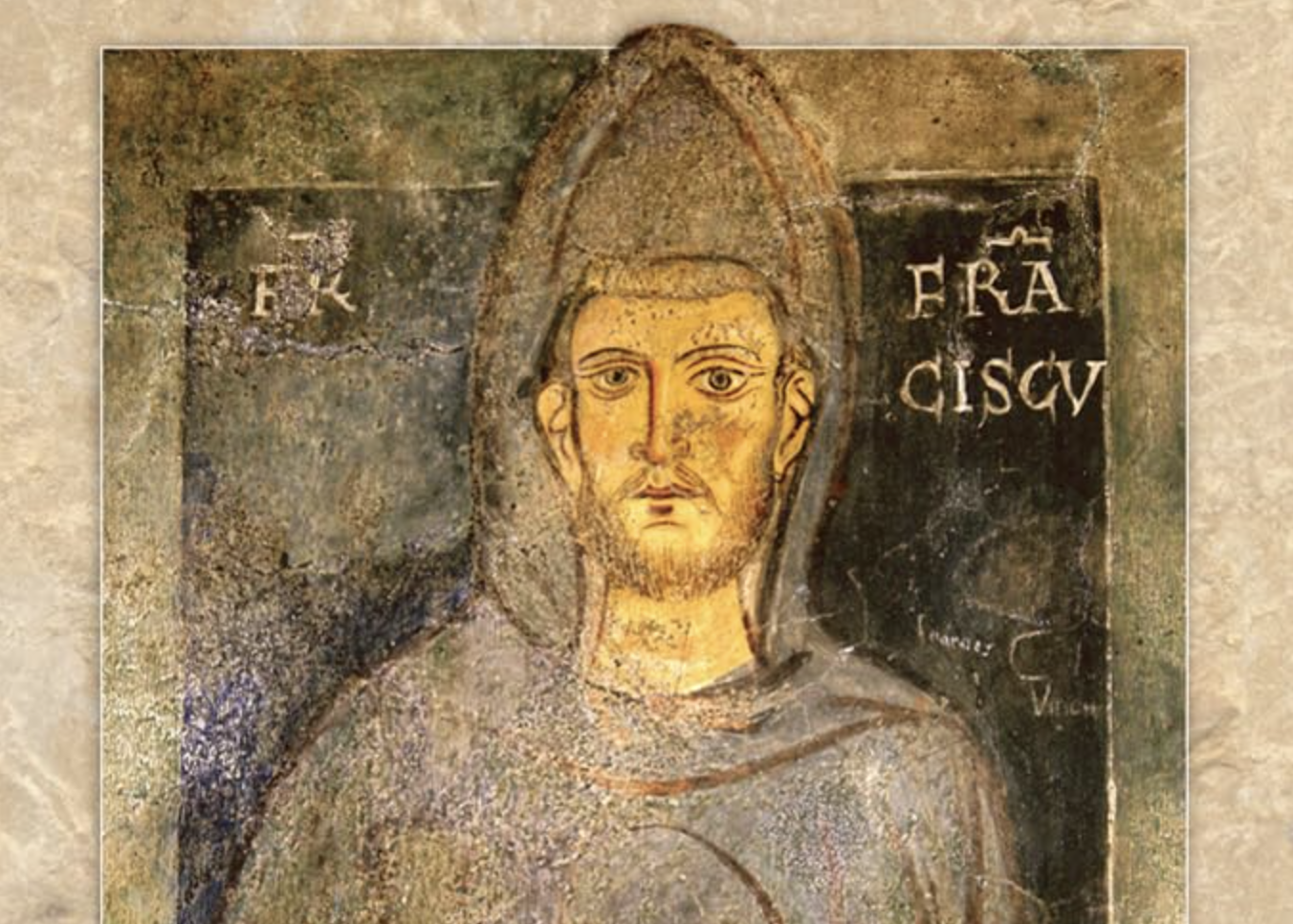
Saintliness does not require moral purity any more than combat stress should assume moral depravity.
I don't think this is a one-chapter problem. I suspect if I went looking, I'd find the same pathologizing vocabulary attached to George, to Martin, to any of the tradition's soldier-saints whenever biographers reach the parts of their lives that involve actual violence. That's a bigger project than a newsletter post — maybe a conference paper, maybe its own essay — but I wanted to name it here first, plainly, while the Francis material was fresh: don't let a biographer's adjectives do a diagnosis's work. Francis wasn't “broken” by what he saw and tried to do. He built something out of it. So do most of the veterans I know.