Pharmakoi: The Ancient Roots of TYFYS
I'm revising God Is a Grunt for a second edition, sharpening the hagiographic method chapter by chapter. The Moses chapter examines Levitical sacrifice and how TYFYS ("Thank You for Your Service") functions as modern scapegoat ritual. While cutting material to keep the book centered on military families, I realized the Greek pharmakoi background is too good to leave out entirely. So here it is, including my interview with Chris Haw, a René Girard scholar and longtime friend.
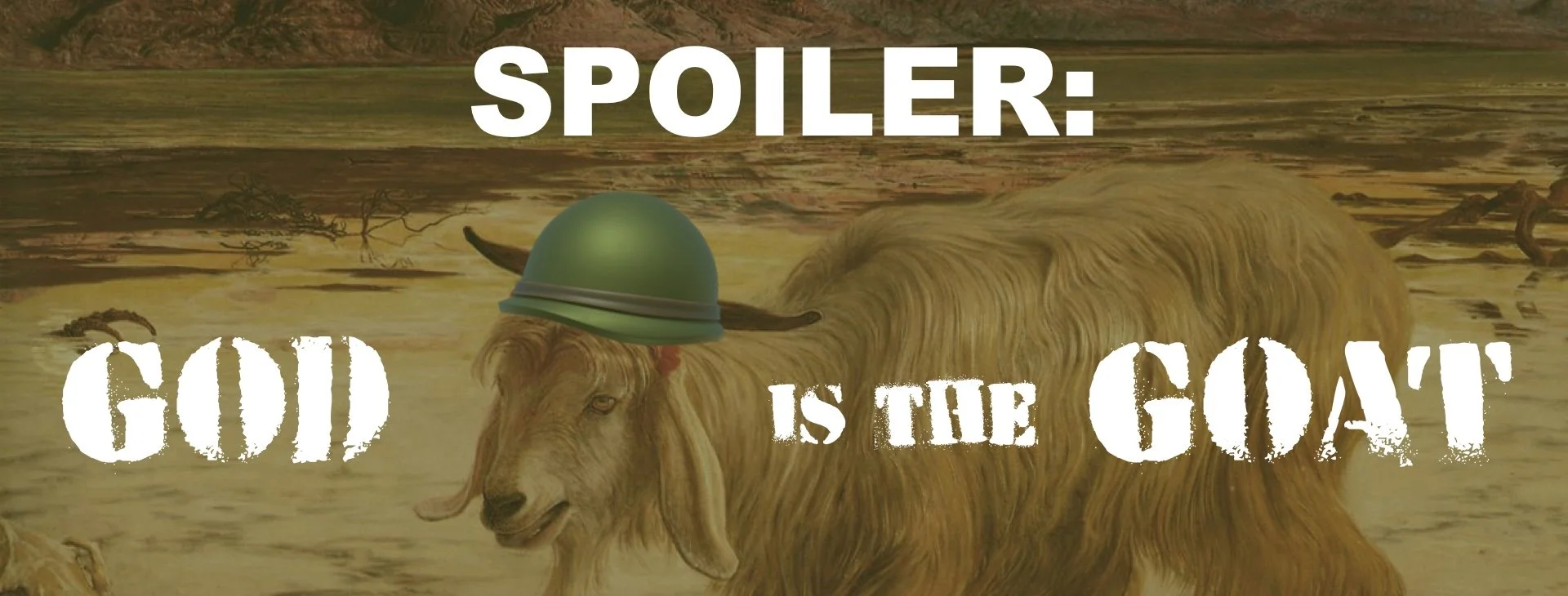
The Scapegoat's Secret
Here's what most Americans don't know about scapegoat rituals: the scapegoat was never supposed to be some random nobody. In ancient Greek societies, the pharmakos (from pharmakon, meaning "drug" or "poison") was expected to be the most valuable member—esteemed royalty, wealthy merchants, beautiful people. The ritual demanded symbolic sacrifice of the best to save the rest.
But no member with actual influence was volunteering for ritual abuse and exile. Jan Bremmer describes how "the poor, the ugly, and criminals" always ended up holding the short straw. To fulfill mythical expectations, communities would dress these bottom-class members as "the attractive, aristocratic, and royal figures" they were supposed to represent.
The pharmakoi would be treated like royalty—temporarily. Then came the climactic moment: stripped, beaten, run out of town. The community got its cathartic release. The few suffered so the many could prosper.
Voluntary Service, Involuntary Selection
Sound familiar? It should.
When I hear civilians defend TYFYS, they talk about honoring "those who volunteered to serve." The language assumes military service is a calling freely chosen by patriots. It's the modern equivalent of insisting the pharmakos must be aristocratic—someone valuable willingly offering themselves.
The data tells a different story. A 2018 RAND survey found "the overwhelming majority" of lower enlisted had "economic reasons for joining up." Not patriotism. Not calling. Economics. Meanwhile, civilians believed "troops [serve] either out of patriotism or sense of duty."
This is the poisonous pattern playing out in real time: recruit from communities with wealth gaps so wide you could drive a tank between rich and poor, then dress up economic necessity as patriotic calling. The scapegoat must appear to volunteer willingly, even when necessity leaves no real choice. We need the myth of the aristocratic volunteer to justify what we're doing to the poor kid from Appalachia or the inner city.
Ritual for Whose Benefit?
The genius of scapegoat rituals is how they benefit the community performing them, not the individuals being honored. When I get thanked for my service and reply with "I was in for six years; which part?" people get confused or angry. "Hey, I was just trying to be nice!" That response reveals everything: they expect to be the ceremonial beneficiary, not me. A 2019 Cohen Veterans Network survey found 90 percent of civilians reported saying TYFYS, despite nearly half of military participants reporting discomfort at being thanked. If TYFYS were genuinely about service, we'd thank teachers, nurses, social workers. But we don't. We reserve it for our national pharmakoi—those who take punishment so the rest prosper in a world where, as one TYFYS defender wrote, "violence and destruction were things [she] saw on the news but never felt."
The ritual lets civilians experience cathartic release without confronting the suffering they've pushed onto others. Once the parade ends, the community expects the pharmakoi to stay out of sight, out of mind.
Why This Matters for Faith Communities
Here's where it gets theological. The book I'm revising uses hagiography—biographical narratives of biblical and historical military figures—to teach virtue ethics to military families. Each chapter profiles a different grunt-saint. The Cain chapter addresses moral pain and challenges the "All Soldiers Kill" stereotype. The Moses chapter examines how sacrificial systems reveal more about communities than victims.
Christian communities in America have absorbed this civil religious practice. We thank military families for their service, parade them on patriotic Sundays, and then wonder why more than 15 of the 17 daily veteran suicides are Christians. We've dressed economic conscription in the robes of sacred calling, performed our cathartic rituals, and sent the scapegrunt into the wilderness.
The ancient Greeks knew what they were doing was brutal. They just didn't care because it served the community's needs. We've convinced ourselves TYFYS honors service when it actually maintains a sacrificial system that protects us from confronting what we're doing to our neighbors.
The first step toward loving military neighbors is recognizing how we've made them our pharmakoi. The second is refusing to participate in rituals that benefit us more than them.
This post draws from material cut during revision of "God Is a Grunt" (2nd edition). The full argument appears in the chapter on Moses and Levitical sacrifice, which examines how God subverts sacrificial systems by becoming both the slaughtered goat and the scapegoat—but that's another post.