GruntGod 2.13.1: The Muscle of Democracy
Use it or lose it 🤷
This is drawn from the revision of the Ralph chapter in the second edition of God Is a Grunt.
I cut the etymology lesson out of the "Ain't I American?" chapter for the book's second edition, mostly because military families don't need me to explain how a republic works before I tell them about Ralph Abernathy. But the etymology matters, and I don't want to lose it, so here it is for anyone who wants the political theology underneath the story.
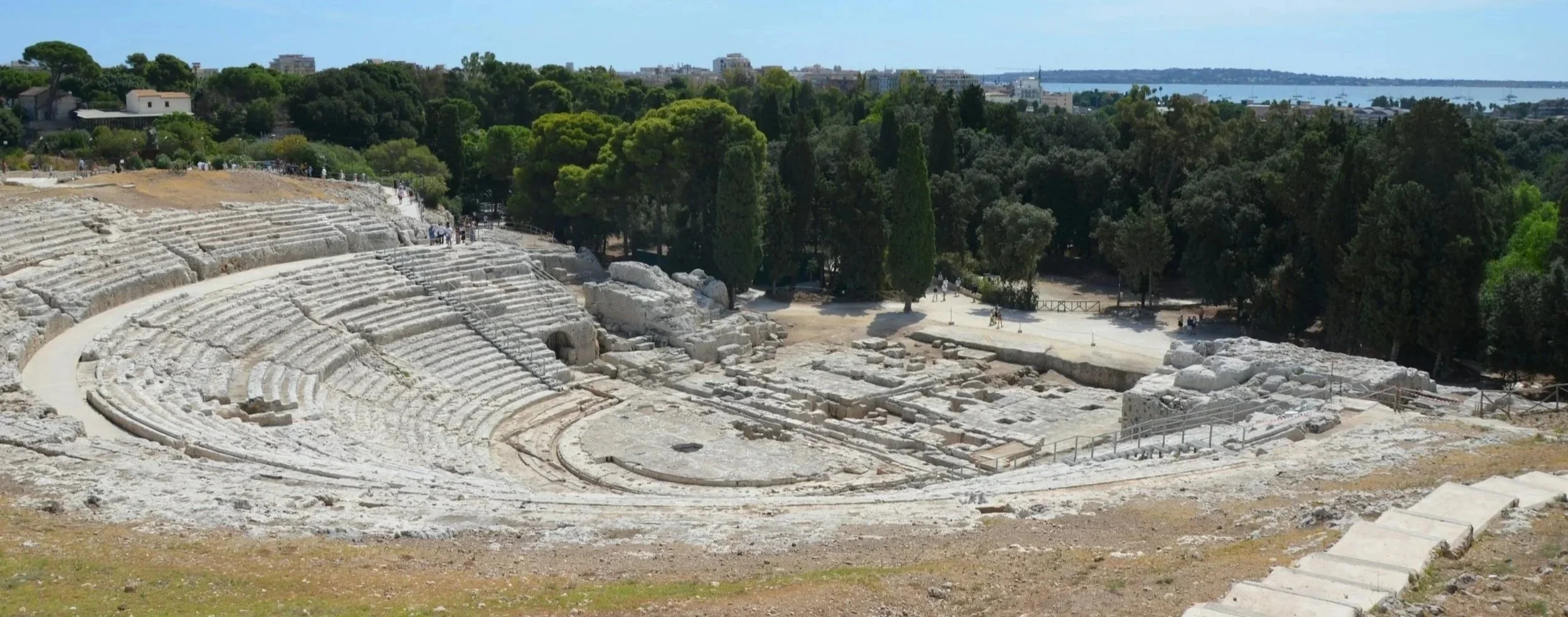
The civic theater in Greek cities also served as its civic headquarters.
The ancient Greeks built democracy out of krătĭ́ā (power, rule) and dêmos (the people) — authority that comes from the people themselves. It sounds great until you remember that any group unable to muster fifty-one percent of the vote is at the mercy of whoever can. At its worst, democracy is just a tyranny of the majority wearing a nicer name.
The American founders knew that, so they built a republic instead (or on top) of it. A res publica makes national matters a thing (res) of public interest (publica), as opposed to the private interest of a king or a despot. The people are still the source of authority, but electors represent (repræsentare) them in a legislature instead of ruling directly. The founders combined both systems hoping each one's strengths would check the other's weaknesses. It mostly works. Not perfectly, nothing built by human hands is perfect, but the machine has a self-correcting mechanism built into it, if people are willing to use it.
That's the part I want to dwell on, because it's the part that gets skipped in most patriotic sermonizing: the machine only self-corrects if somebody works it. Democracy is a muscle. Leave it alone and it atrophies into whatever shape the people already holding power want it to keep.
Political scientist and Navy veteran Christopher Parker has a name for how Black Americans have historically tried to work that muscle: the "rights-obligation trade-off," the idea, baked into the American concept of citizenship, that rights and obligations run in both directions. You serve the country; the country owes you something back. It's not a contract in the sense that nobody signs it, but it functions like one in the moral imagination of everyone who's ever put on the uniform hoping it would finally, this time, buy them in.
Here's the theological question I think Parker's framework raises, even though he's not writing theology: what kind of obligation is this, exactly? It's not contractual, and it's not quite covenantal either, at least not in the biblical sense. Biblical covenants (Noah, Abraham, Sinai) are unilaterally initiated by God and don't depend on the other party's performance to remain binding. The rights-obligation trade-off is closer to something Israel itself sometimes tried to strike with God and consistently botched: sacrifice offered in the hope of purchasing favor, rather than favor already secured, poured out in gratitude through sacrifice.
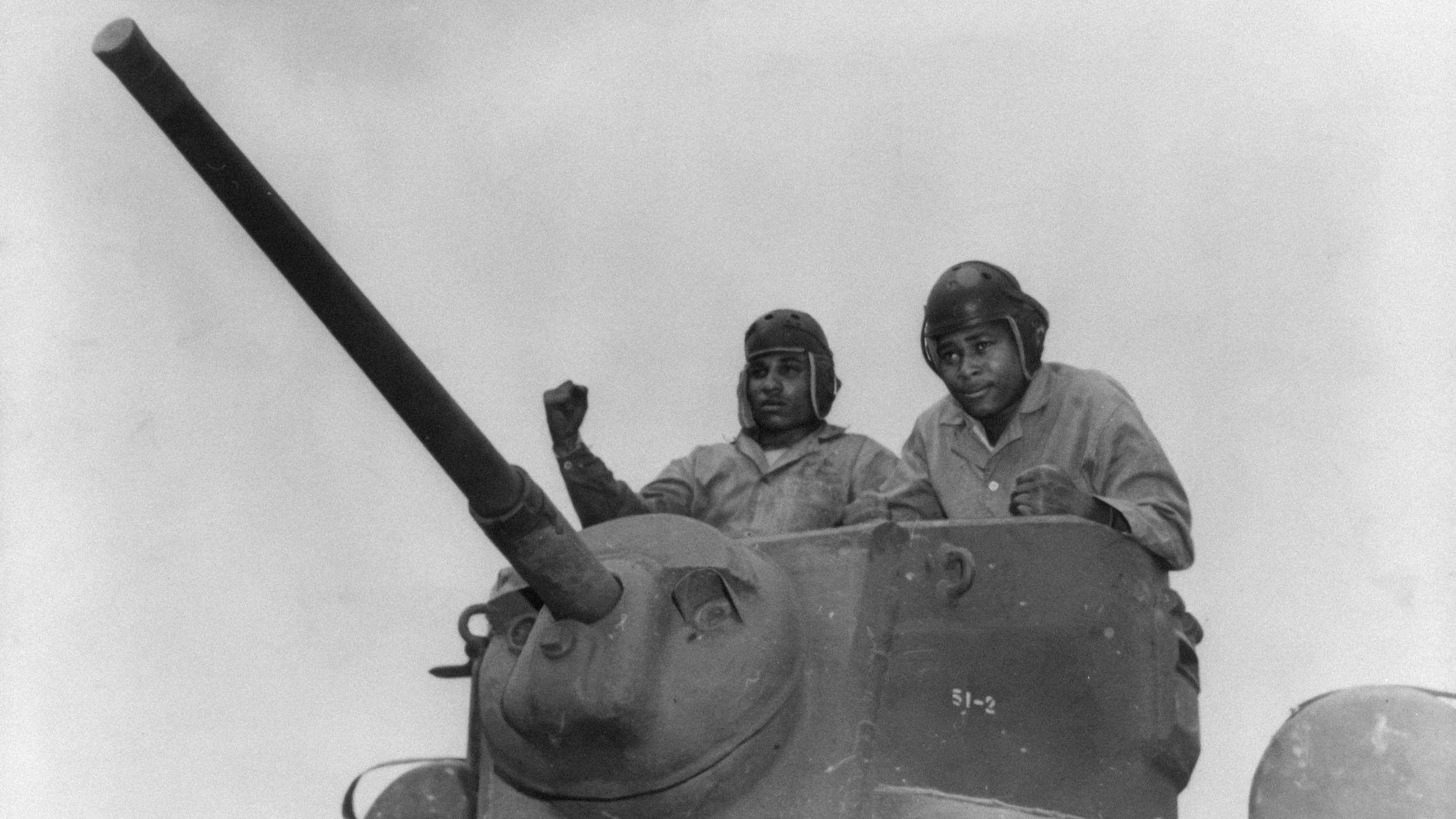
That's not a criticism of Black veterans who served hoping their service would buy their families a fuller citizenship. It's a criticism of the country, and often the church alongside it, for accepting the sacrifice and reneging on the trade. Benjamin Harrison, governor of Virginia after the Revolutionary War, understood the obligation ran both ways; he pushed the legislature to extend Black veterans "that liberty which they [had] been in some measure instrumental in securing to us." Virginia paid up, that time.
The Supreme Court did not, eighty years later. I'll get into how Dred Scott turned the rights-obligation trade-off into a weapon against the very people who'd tried to use it faithfully. For now, sit with the muscle metaphor a minute. A muscle you don't use doesn't just fail to grow. It shrinks. Every generation that assumes the republic will hold itself together without their labor is a generation watching the muscle atrophy in real time. Every soldier or veteran denied the benefit of a trade-off they upheld their end of is watching it atrophy too, just from the other side of the transaction.